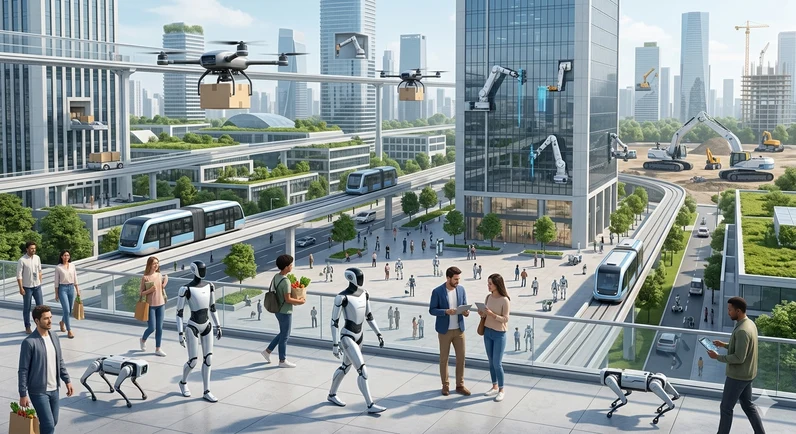
Many people have long fantasized about robots. Every now and then, one would see a robot in a movie. In fact, there are entire franchises dedicated to robots. Some picture a dystopian future like Terminator, while others picture them as the new normal like Transformers. However, there is reasonable apprehension regarding the level of penetration Robotics and AI will achieve in human society, and the potential negative impacts that might follow.
We began with simple automations like robotic arms, then drones, four-legged robots, and, quite recently, humanoids. Large companies like Tesla have already built a humanoid called Optimus. Recent acquisitions—Meta purchasing Assured Robotics Intelligence (ARI), Boston Dynamics being acquired by the Hyundai Group, and Fauna Robotics being acquired by Amazon—are clear early signs of a Robotics Revolution.
If you look closely at these developments, you will realize that although each humanoid built possesses different skills, they all aim to become general-purpose robots. Rather than using a dishwasher to clean dishes or a specialized floor cleaner, why not have a humanoid robot do all of that?
And it goes further than that. Various claims about robotic girlfriends are going viral. AI companions have been on the market for a while now. This highlights a larger pattern: either people find themselves lonely or detached from their partners, and are in need of a companion who is, by design, agreeable to them. What are the consequences of this trend? Time has all the answers.
Nevertheless, it is quite evident that Robotics is taking shape. It is penetrating into the daily lives of people—not just through industrial automation or its resulting products—and this time, it is going to have a direct impact on our lives. It may become one of the most disruptive innovations in the history of humankind.