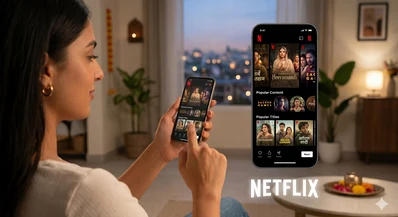
For over a decade, the "Netflix Experience" was defined by the grid. It was a digital library that required a specific cognitive act: browsing, reading a synopsis, and making a choice. Yesterday’s announcement in the Q1 2026 shareholder letter signals the end of that era.
By late April, Netflix will officially roll out its vertical video discovery feed to all mobile users. It is the final "TikTokification" of the major streaming platforms, following in the footsteps of Disney+ and Peacock. But while Netflix frames this as a "smarter way to find your next obsession," the underlying technical shift tells a more complex story of an industry desperate to claw back screen time from social media.
The Architecture of the Swipe
Technically, the new feed is powered by Netflix’s recent acquisition of InterPositive and a massive push into Generative AI (GenAI) recommendation models. Instead of relying on static metadata, the new feed uses "deep content understanding" to serve up 30-to-60-second clips that are dynamically tailored to your current mood and environment.
If the algorithm detects you’re on a high-speed 5G connection during a commute, it might prioritize high-energy action sequences or video podcasts. If you’re at home on Wi-Fi, it leans toward atmospheric, slow-burn previews.
The goal? Zero-click engagement. You don't choose what to see; the feed chooses for you. You only choose when to stop.
Discovery vs. Distraction: The UX Friction
While the business metrics for vertical feeds are undeniable—they keep users in the app longer—the human cost is "Intentionality Fatigue." Early Beta testers and power users on Reddit have already begun pushback, citing that the "bigger pictures" and "forced previews" make it harder to actually learn about a show.
As a Solutions Architect would note, this is a pivot from a Pull model (user searches for content) to a Push model (content is forced onto the user). For a platform built on the prestige of "Cinematic TV," moving toward a swipe-heavy interface feels like a dilution of the brand. We are moving away from being "viewers" and becoming "scroll-consumers."
The Market Reality: Fighting for the 15-Minute Gap
Netflix Co-CEO Ted Sarandos was blunt about the strategy: the streamer is now in direct competition with YouTube and TikTok for the "15-minute gap"—those moments during the day when you aren’t ready to commit to a 45-minute episode but have enough time to kill.
By integrating its growing library of 30+ video podcasts and gaming clips into this vertical feed, Netflix is attempting to become an "Everything App" for entertainment. It is no longer enough to be the place where you watch Stranger Things; they want to be the place you go when you’re simply bored.
The Verdict: A Necessary Evil?
From a technical SEO and business standpoint, this move is brilliant. It creates thousands of new entry points for legacy content that might otherwise sit dormant in the library. But for the user, it’s another step toward the homogenization of the digital experience.
When every app looks, feels, and scrolls like TikTok, we lose the unique "vibe" that made streaming feel like an event. Netflix’s new feed might help you find a show faster, but it might also make you forget why you wanted to watch it in the first place.